
Commercial containment cleaning
Remove accumulated oils, grease, silt and retained material
Grease traps and interceptors protect downstream systems by retaining material at source. They need planned emptying and cleaning before retained waste reduces capacity or affects day to day operation.
Call 0800 246 5706grease trap cleaning
Protect capacity with routine service intervals
A grease trap or interceptor can only retain material while it has usable capacity. Waiting until odour, overflow or poor separation becomes visible can make the visit more disruptive and increase the volume that must be handled at short notice.
The right interval depends on the unit, trade level and incoming load. Planned servicing can be timed outside peak operating hours and adjusted as the site builds a reliable record of how quickly material accumulates.
Defined scope
Planned containment cleaning
The exact output is confirmed with the quotation so the work remains aligned with the intended use.
How the work is organised
Service planned around trading and site control
Each stage keeps the site information, field work and final output connected.
Review
We confirm the unit type, estimated volume, contents, access and the best working window.
Isolate
The site contact prepares the work area and any operational controls agreed for attendance.
Extract
Retained liquid, grease, oil or silt is removed using the selected equipment.
Clean
Accessible internal surfaces are cleaned to the agreed scope and the visit is recorded.
Practical detail
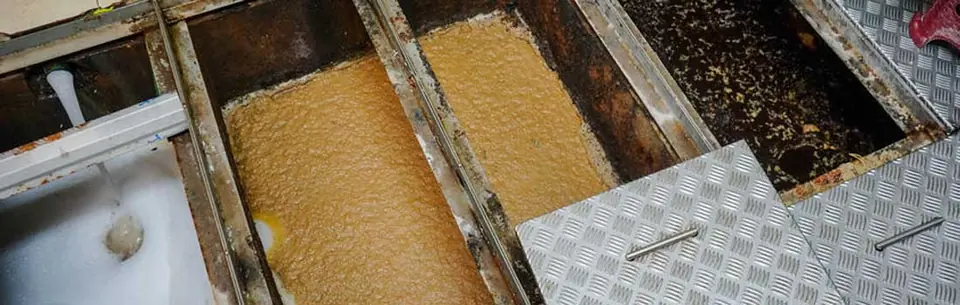
Interceptor and Grease Trap Cleaning
Grease traps and interceptors protect downstream systems by retaining material at source. They need planned emptying and cleaning before retained waste reduces capacity or affects day to day operation.
Request a quotationQuestions about this service
Interceptor and Grease Trap Cleaning FAQs
How often should a grease trap be cleaned?
The interval depends on its size and the volume of fats, oils and grease entering it. Busy kitchens may need a frequent planned schedule.
Do you attend petrol forecourts?
Yes. Share the interceptor type, contents, access arrangements and available site information so the correct response can be planned.
Can the visit take place outside trading hours?
Where scheduling allows, attendance can be planned around trading, deliveries and other site operations.
What access does the tanker need?
We need a safe vehicle position, a workable hose route and access to the relevant covers without parked vehicles or stored items blocking the area.
Can several units be serviced on one visit?
Yes. Provide the number, type and approximate capacity of each unit so the scope and fleet requirement can be confirmed.
Other specialist services
Related tanker work
Choose the service that best matches the decision, system or site requirement.
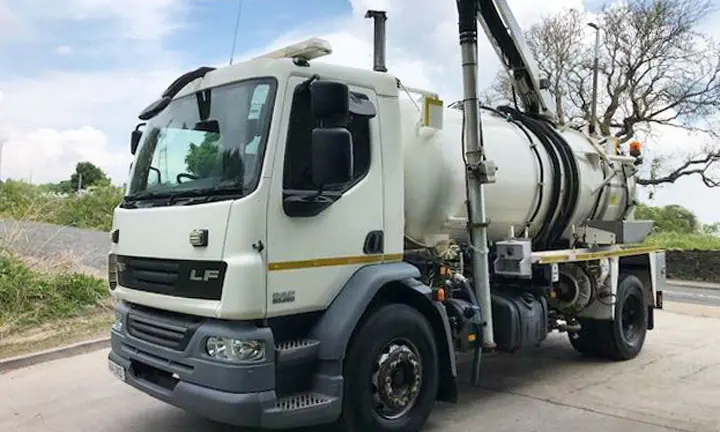
Commercial Site Drain Cleaning
Large scale commercial site drain cleaning, culvert cleaning, vacuum silt extraction and surface water system descaling for construction and industrial sites.
View service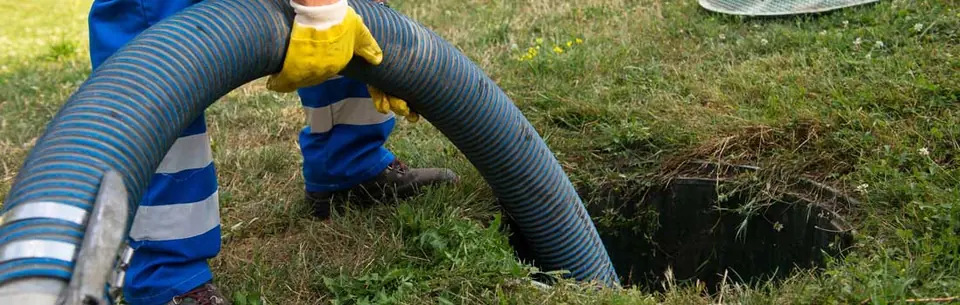
Septic Tank and Cesspit Emptying
Scheduled and reactive septic tank and cesspit emptying for rural homes, farms, pubs, holiday properties and commercial premises across the WD service area.
View service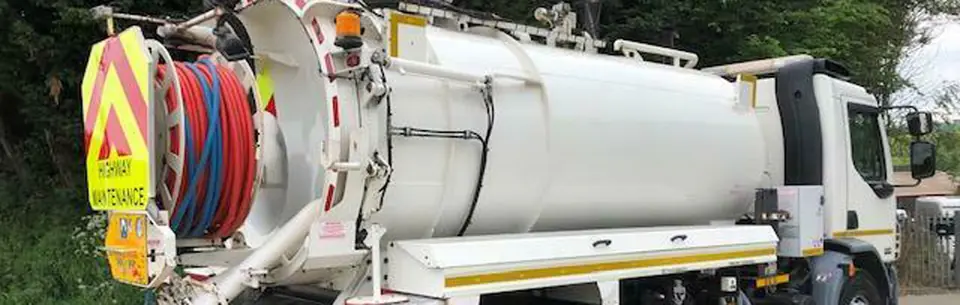
Sewage Treatment Plant Servicing
Package sewage treatment plant servicing and sludge removal for rural homes, managed estates, hospitality sites and commercial premises.
View service