
Package plant maintenance and sludge removal
Keep the treatment process within its working capacity
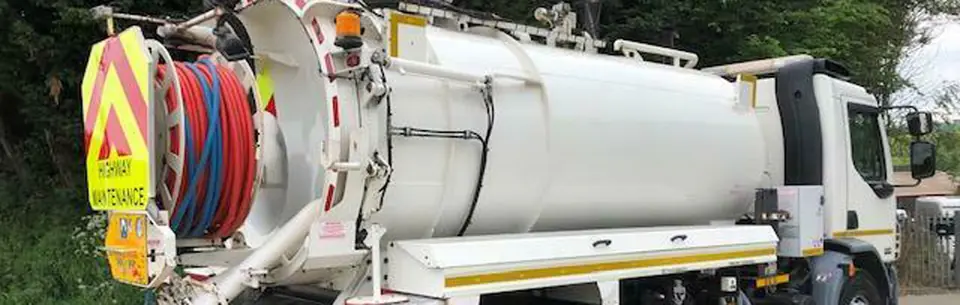
Modern package treatment plants rely on the correct biological and mechanical conditions. Planned inspection, sludge removal and maintenance help the system continue to operate within the manufacturer and discharge requirements.
Call 0800 246 5706sewage treatment plant servicing
Maintenance for a working treatment process
A treatment plant is not simply a storage tank. It uses a managed process to treat wastewater before discharge, and excessive sludge can reduce working capacity. The service interval should reflect the plant design, loading and manufacturer guidance.
Before attendance we ask for the plant details and any current symptoms. This helps distinguish routine sludge removal from a visit that may also need a specialist mechanical or electrical service partner.
Defined scope
Treatment plant support
The exact output is confirmed with the quotation so the work remains aligned with the intended use.
How the work is organised
Servicing based on the plant and its use
Each stage keeps the site information, field work and final output connected.
Identify
We confirm the plant make, model, population loading and available service history.
Inspect
Accessible chambers and operating conditions are checked before the collection scope is confirmed.
Desludge
Accumulated sludge is removed to the appropriate level for the plant and visit scope.
Record
The responsible person receives a clear summary of the attendance and any observed follow-up need.
Practical detail
Sewage Treatment Plant Servicing
Modern package treatment plants rely on the correct biological and mechanical conditions. Planned inspection, sludge removal and maintenance help the system continue to operate within the manufacturer and discharge requirements.
Request a quotationQuestions about this service
Sewage Treatment Plant Servicing FAQs
Is a treatment plant the same as a septic tank?
No. A package treatment plant uses an active treatment process, while a septic tank primarily separates solids and liquid before discharge to a suitable system.
How often should sludge be removed?
The interval depends on the plant design, population loading and manufacturer guidance. Service records and observed sludge levels help set the schedule.
Do you need the make and model?
Yes, where available. The make, model and service history help us understand the plant layout and expected maintenance requirements.
Can you support a managed development?
Yes. Planned visits can be arranged for shared systems serving managed residential or commercial sites.
What if the plant has an electrical fault?
Tell us about any alarms or mechanical symptoms. Electrical or component work may require the appropriate specialist in addition to tanker support.
Other specialist services
Related tanker work
Choose the service that best matches the decision, system or site requirement.
Commercial Site Drain Cleaning
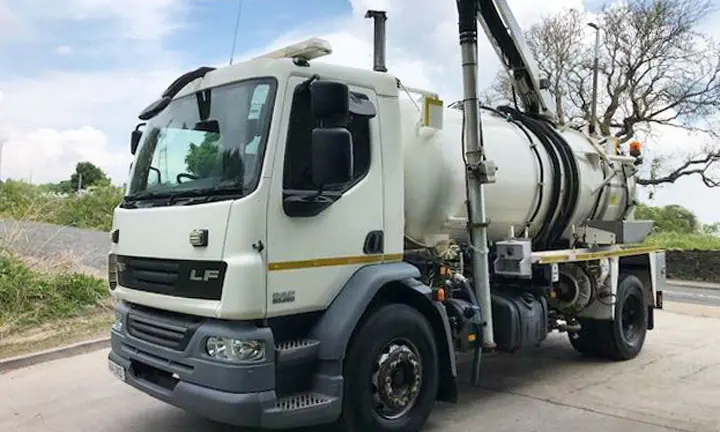
Large scale commercial site drain cleaning, culvert cleaning, vacuum silt extraction and surface water system descaling for construction and industrial sites.
View service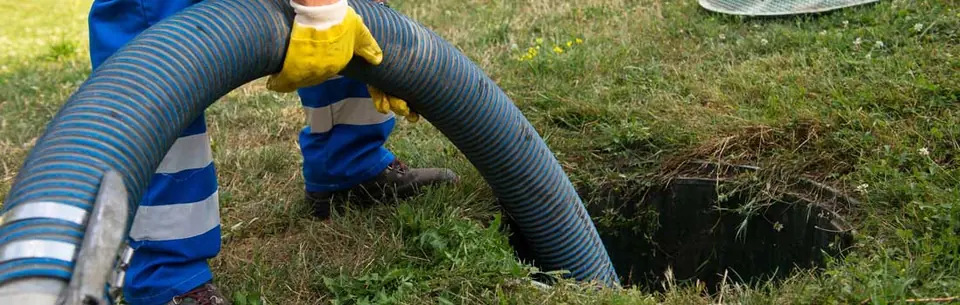
Septic Tank and Cesspit Emptying
Scheduled and reactive septic tank and cesspit emptying for rural homes, farms, pubs, holiday properties and commercial premises across the WD service area.
View service
Interceptor and Grease Trap Cleaning
Interceptor and grease trap cleaning for commercial kitchens, food premises, petrol forecourts, workshops and managed sites, with planned waste removal.
View service